Most employees don't leave companies — they leave managers. Gallup's 2026 data shows manager engagement itself is falling, and only 44% of managers worldwide have ever had formal training. The good news: great management is a learnable skill, and organizations that invest in training, consistency, and recognition see real returns in retention and performance.
Key takeaways:
People don't quit their job, they quit their boss.
Your company spends money on benefits and events to attract top talent. But for a lot of your employees, none of that will be enough to keep them around if they report to a bad manager. Gallup's 2026 data shows manager engagement itself has been sliding — down from 27% in 2024 to 22% in 2025 — and only 44% of managers worldwide have ever received formal management training. Untrained managers are the ones most likely to pass that disengagement down to their teams.
If so many managers are having a negative impact on their employees, why are they still managers?
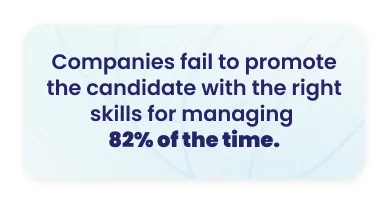
Once upon a time, employees were promoted because they were top performers in their non-managerial role, or because they'd been with the company the longest. That's largely still how managers get selected today, and it still has very little to do with how good they actually are at managing.
The result shows up on the other side, too: 82% of U.S. workers say they'd consider quitting a job because of a bad manager (GoodHire). Bad bosses. Employee turnover. A real hit to your bottom line.
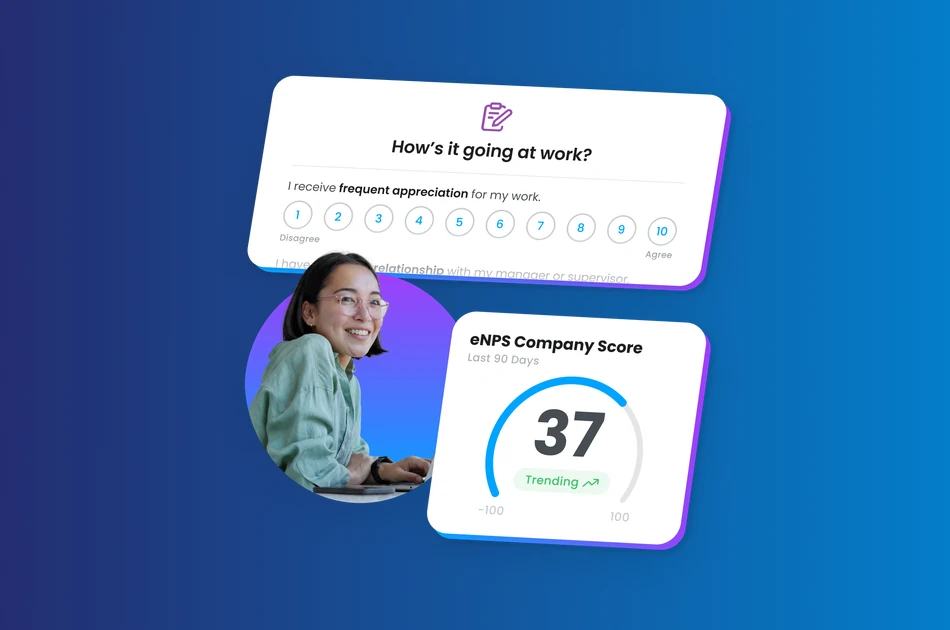
So what's an organization to do? If you want to keep your top performers and turn a profit, you need to train your managers and give them the right tools to be effective — and you need to train them to actually pay attention to what their team's engagement survey answers are telling them.
Questions like:
Here are four ways to foster strong answers to those questions instead of getting warning signs that a departure is imminent.
In Nine Lies About Work, Buckingham and Goodall explain that most companies focus on the big culture framework for the whole organization. But what your employees actually experience day to day has everything to do with the people on their team — especially their manager.
It doesn't matter how strong your company's mission is if your employees are experiencing confusion, disillusionment, or a lack of appreciation and trust from their manager. Employees can be genuinely fine with the company and still find their actual day-to-day experience miserable.
So put a little less energy into top-down messaging and a little more into where your employees actually spend their time.
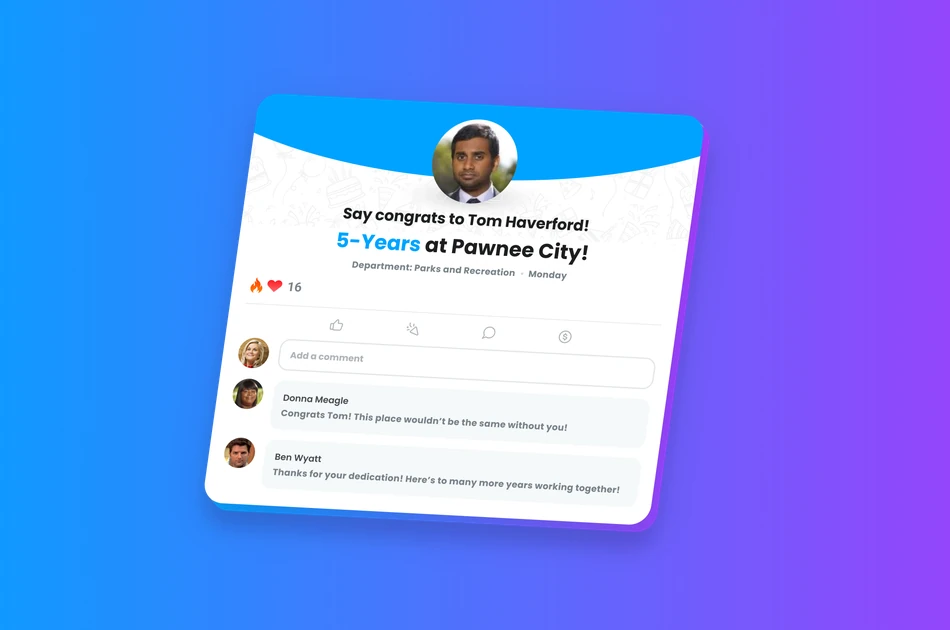
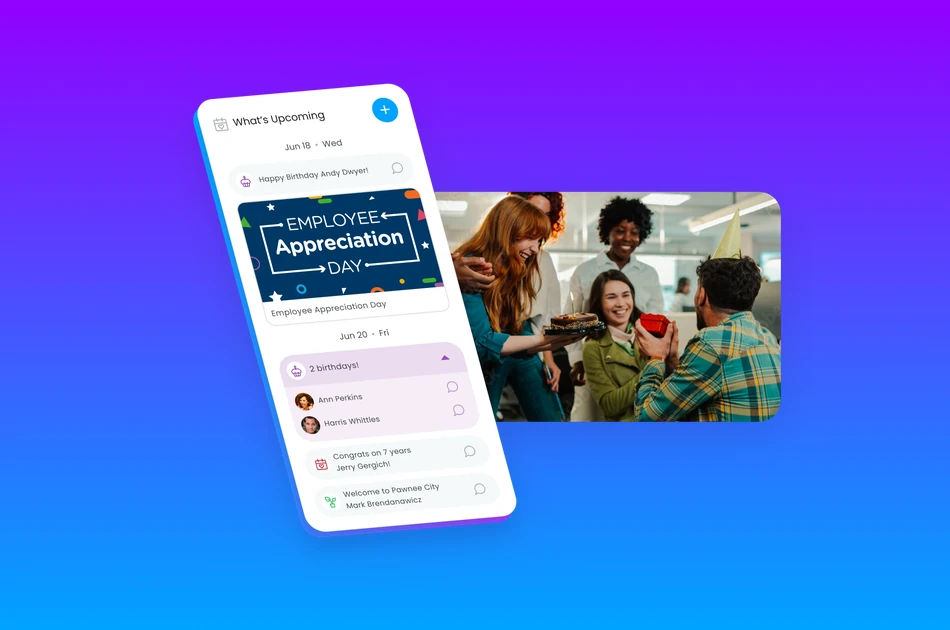
What systems can you put in place that make cross-team communication clearer? What expectations can you set for managers to hold consistent 1-on-1s? What tools might make it easier for managers to recognize their people consistently? Here at Motivosity, we build software that helps managers give employees the recognition and connection they need to do their best work, along with the visibility to see how engaged their team actually is.
Managers of decades past were task-oriented, overseeing work to make sure their teams got it done. Today's managers are usually top performers themselves, but they still have that old model to look to as the default.
Like the strongest student in a group project who ends up doing everyone's part, managers are often tempted to just do the work themselves. But that's task-management, not people-management. Successful managers invest in their people, trust them, and coach them as needed — connecting them with the right people internally, giving them access to the right information at the right time, and sharing their own process. What's worked with a tricky client? Where do you usually turn for help? Coach by showing your own work.
This happens most effectively through 1-on-1s, where employees can share goals and struggles and managers can help them grow and feel appreciated. These conversations do more for how valued an employee feels than almost anything else a manager controls.
Manager inconsistency undermines the trust needed to lead effectively, and it shows up in a lot of ways.
A manager who responds to a challenge with enthusiasm one week and frustration the next teaches their team to keep problems quiet rather than risk an unpredictable reaction. Employees who expect regular 1-on-1s, quarterly reviews, or team recognition and don't get them hear a clear message: "I don't care about you."
Inconsistency shows up in scheduling, too. Can employees count on the timing of team check-ins? Can they depend on their manager honoring the time-off policy the company already promised them?
Being consistent is easy to say and hard to execute. Leadership at the top has to model the consistency they want managers to have — it's hard to hold managers to a standard nobody above them is meeting. And if something has to change, protect trust by explaining why instead of leaving people to guess whether they still matter.
Employees who feel valued and appreciated perform better and are more productive — that's not new, but it's still true, and still underused. Managers who notice when their people need some affirmation, verbal, written, private, or public, can meaningfully improve those relationships.
Everyone needs to feel valued. That's not a soft ask; it's close to a prerequisite for being happy at work.
At Motivosity, we believe happy, appreciated employees stay longer, work more effectively, and lift the people around them. So thank those employees. A few ways to actually do it:
Put together, these four moves help managers build the kind of relationship with their team that keeps turnover down and performance up — better retention, better belonging, better bottom line.
Sources: